
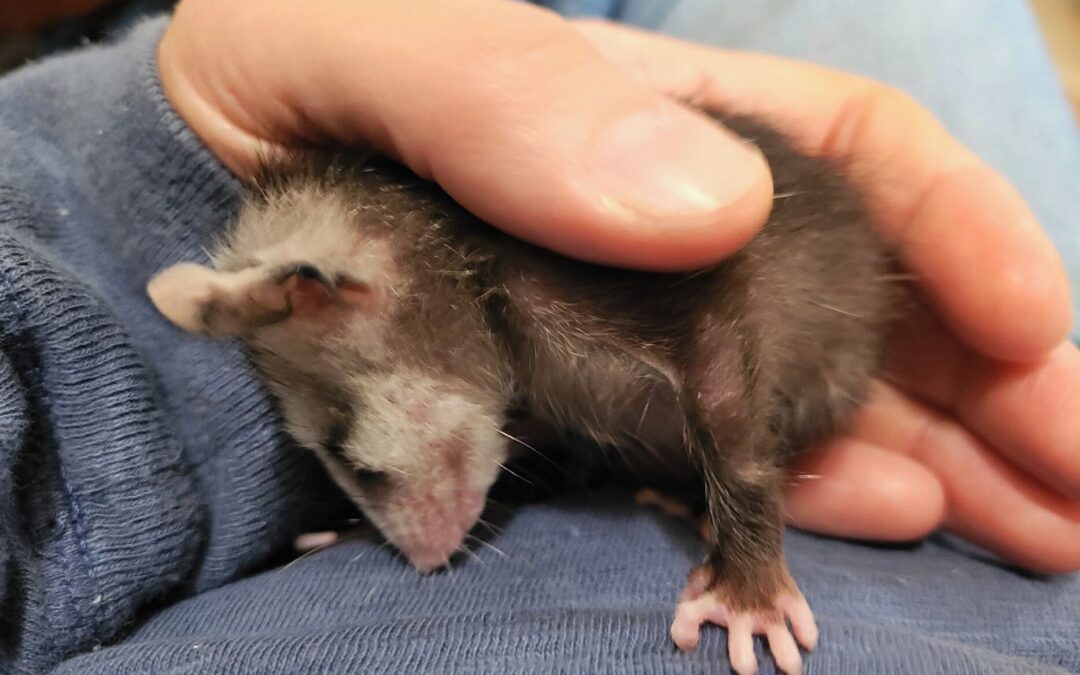
When people find an injured animal
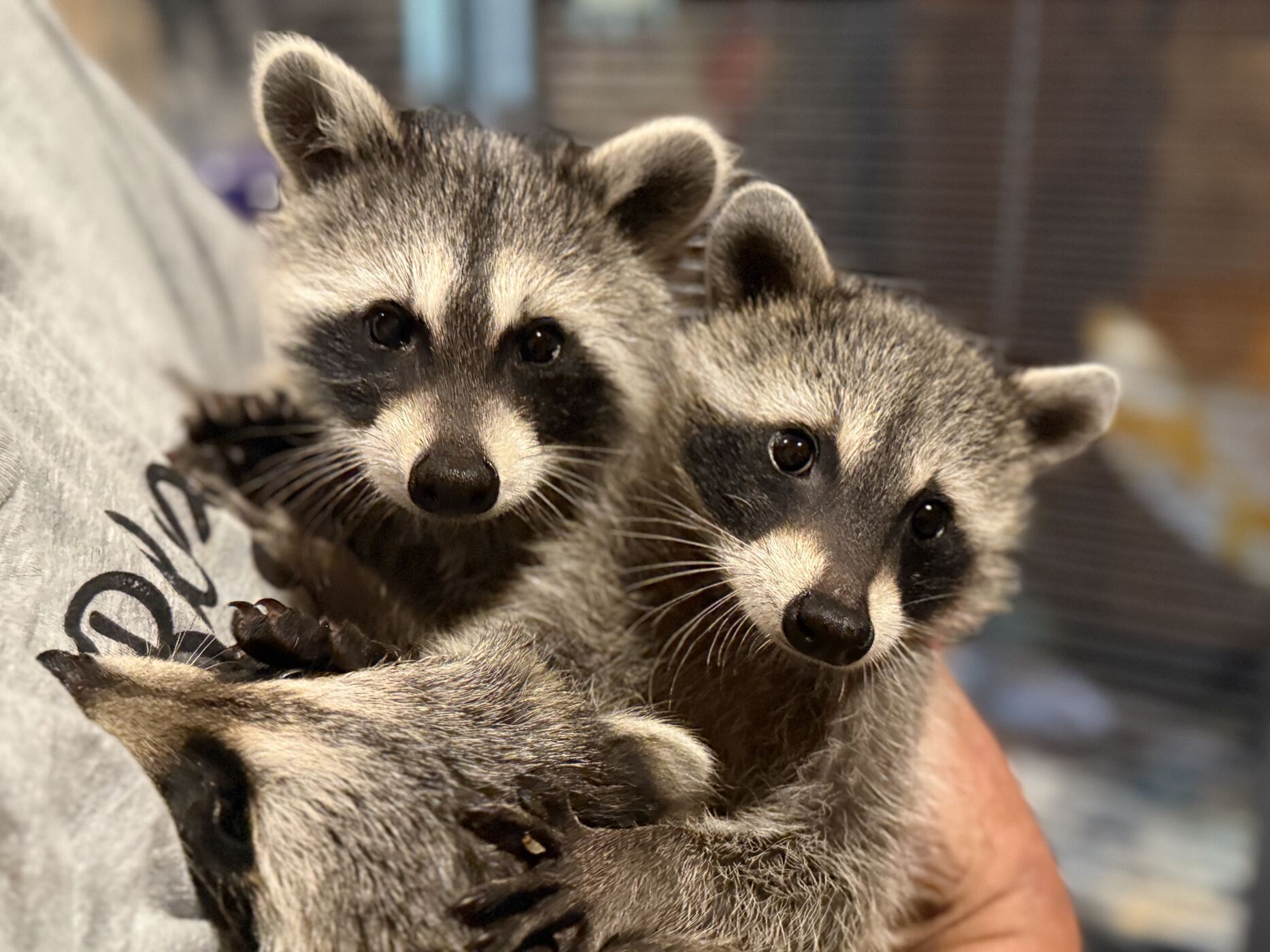
... an orphaned fawn, or a baby raccoon in need, their first instinct is often to call a wildlife rehabilitator. What many don't realize is that nearly all wildlife rehabilitation in North Carolina is performed by dedicated volunteers - not government employees.
Powered by Passion, Not Funding
Licensed wildlife rehabilitators receive no funding from the state for the care they provide. Every phone call answered, every late-night rescue, every bottle feeding, every veterinary visit, and every hour spent caring for wildlife is made possible through personal commitment and the generosity of supporters.
The cost of rehabilitation adds up quickly. Formula, specialized diets, medications, medical supplies, enclosures, and veterinary care are all essential to giving wildlife a second chance.
More Than Just Animal Care
Wildlife rehabilitation involves far more than feeding baby animals. Rehabilitators must:
Complete specialized training and maintain state licenses.
Follow strict wildlife regulations.
Provide species-specific medical care.
Minimize human interaction to keep animals wild.
Prepare animals for a successful return to their natural habitat.
Every decision is made with one goal in mind - giving each animal the best chance to survive in the wild.
How You Can Help
Supporting wildlife rehabilitation doesn't always require rescuing an animal. You can make a difference by:
Donating to licensed wildlife rehabilitation organizations.
Sharing educational information with family and friends.
Keeping pets away from young wildlife.
Leaving healthy wild animals in their natural habitat whenever possible.
Contacting a licensed rehabilitator before attempting a rescue.
Every Donation Makes a Difference
At Ringtail Rescue, we are proud to care for North Carolina's native wildlife, but we can't do it alone. Because we receive no state funding, every donation directly helps provide food, medical care, housing, and rehabilitation for injured and orphaned wildlife.
Your generosity helps give these animals a second chance - and helps keep North Carolina's wildlife wild for generations to come.
Thank you for supporting wildlife rehabilitation and the volunteers who dedicate their time, resources, and hearts to protecting our native wildlife.
Recent Comments