
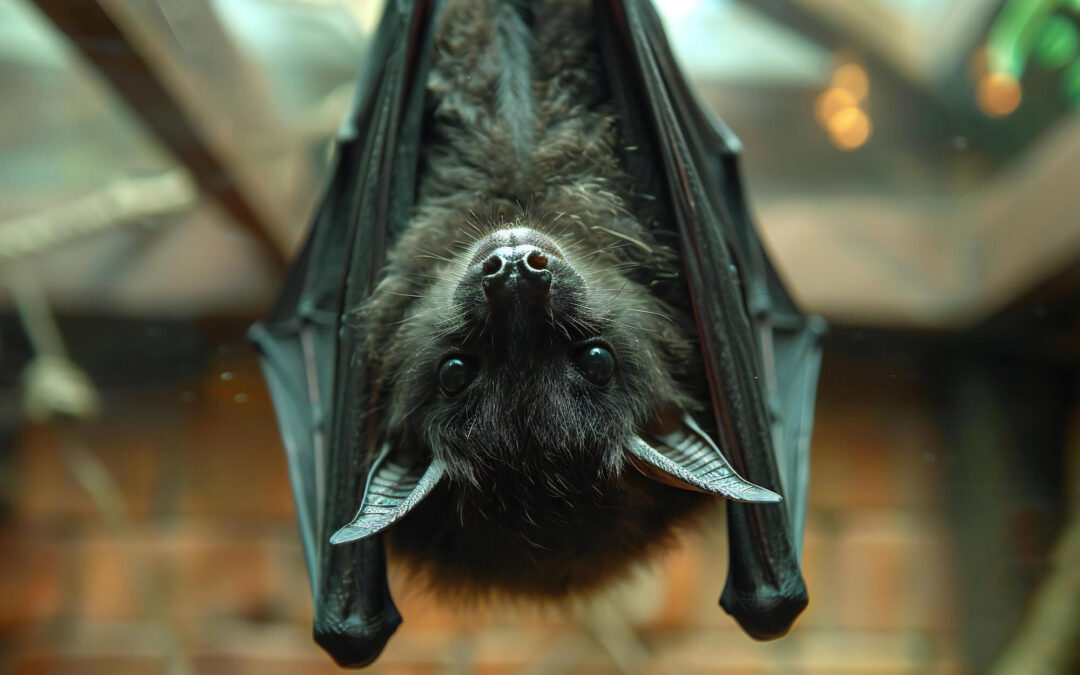
Bats play a vital role in North Carolina's ecosystem by controlling insect populations and supporting healthy forests. Unfortunately, many bat species are facing a serious threat from White-Nose Syndrome (WNS), one of the most devastating wildlife diseases in North America.
What Is White-Nose Syndrome?
White-Nose Syndrome is caused by a fungus (Pseudogymnoascus destructans) that grows on hibernating bats during the winter months. The fungus appears as a white, powdery growth on the nose, ears, and wings, giving the disease its name.
The infection disrupts hibernation, causing bats to wake repeatedly and burn through the fat reserves they need to survive the winter. Many die from starvation or dehydration before spring arrives.
The Impact on Bat Populations
Since its discovery in North America in 2006, White-Nose Syndrome has killed millions of bats and has severely impacted several species found in North Carolina.
With fewer bats in our skies, insect populations increase, affecting agriculture, forests, and even our backyards. A single bat can consume thousands of insects in one night, making bats one of nature's best forms of pest control.
How You Can Help
Everyone can make a difference by taking a few simple steps:
- Never disturb hibernating bats.
- Avoid entering caves that are closed to protect bat colonies.
- If you visit caves, clean and disinfect your gear to prevent spreading the fungus.
- Install a bat house to provide safe summer roosting habitat.
- Protect mature trees where bats naturally roost.
- Never handle a bat with bare hands.
- If you find an injured or grounded bat, contact a licensed wildlife rehabilitator immediately.
Every Bat Matters
Ringtail Rescue is licensed to rehabilitate bats and is committed to helping these remarkable animals recover whenever possible. Through rehabilitation, education, and conservation, we can all play a role in protecting North Carolina's bat populations for future generations.
If you find a bat that appears injured, grounded, or orphaned, contact Ringtail Rescue before attempting to help. The sooner a bat receives proper care, the better its chances of returning to the wild.
Recent Comments