
As wildlife rehabilitators
... our mission is to care for injured and orphaned wildlife and return healthy animals to their natural habitat. Unfortunately, changing wildlife diseases and state regulations sometimes affect what species can legally be rehabilitated.
One of the most significant concerns is Chronic Wasting Disease (CWD), a fatal neurological disease that affects members of the deer family, including white-tailed deer, elk, and moose. The disease is caused by abnormal proteins called prions and is always fatal. There is currently no treatment, vaccine, or cure.
Chronic Wasting Disease in North Carolina
North Carolina confirmed its first case of Chronic Wasting Disease in 2022. Since then, additional cases have been detected, prompting the North Carolina Wildlife Resources Commission to establish surveillance and management areas to help slow the spread of the disease.
Because infected deer may not show symptoms for months or even years, apparently healthy animals can still carry and spread CWD.
What This Means for Orphaned Fawns
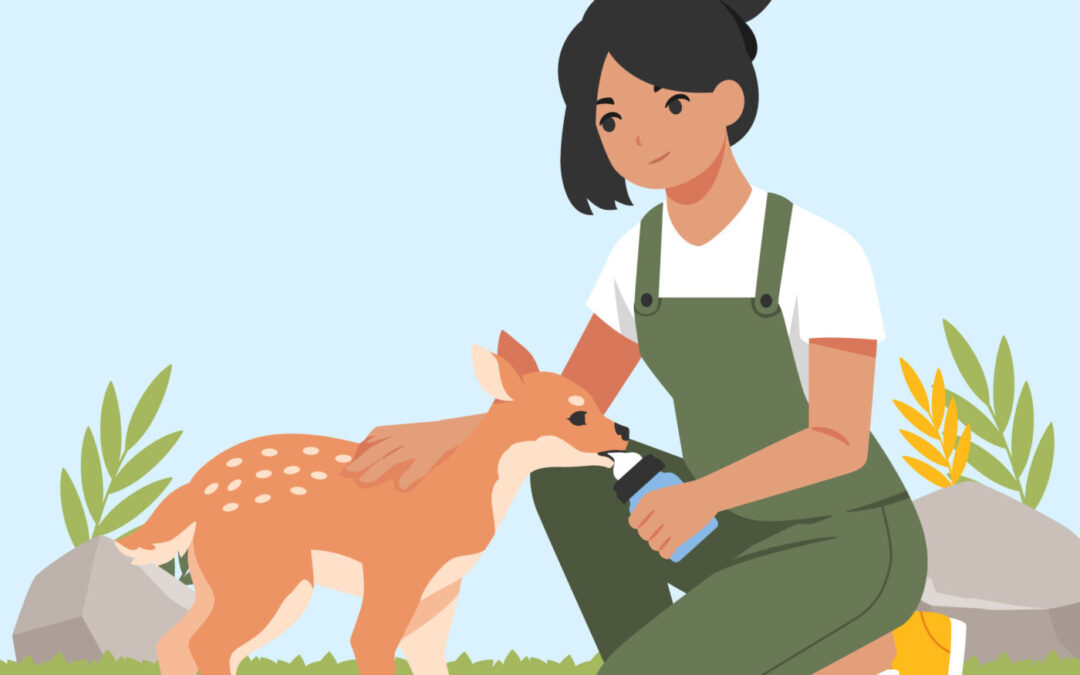
To reduce the risk of spreading Chronic Wasting Disease, regulations surrounding deer rehabilitation have become much more restrictive.
Unlike many other native mammals, orphaned fawns cannot simply be raised and released. Wildlife rehabilitators must follow strict state guidelines designed to protect North Carolina's wild deer population.
These regulations help:
- Reduce the spread of Chronic Wasting Disease
- Protect healthy deer populations
- Prevent accidental movement of infected animals
- Support long-term wildlife conservation efforts
Every Situation Is Different
Not every fawn found alone has been abandoned. Mother deer often leave their fawns hidden for several hours while they forage nearby. In many cases, the best thing you can do is leave the fawn undisturbed and observe from a distance.
If you believe a fawn is truly injured or orphaned, do not attempt to rescue it yourself. Contact Ringtail Rescue or the North Carolina Wildlife Resources Commission for guidance before intervening.
Our goal is always to do what is best for the animal while following the laws and regulations that protect North Carolina's wildlife for future generations.
Recent Comments